Dylan Lopich
Psychologist in Victoria, London SW1
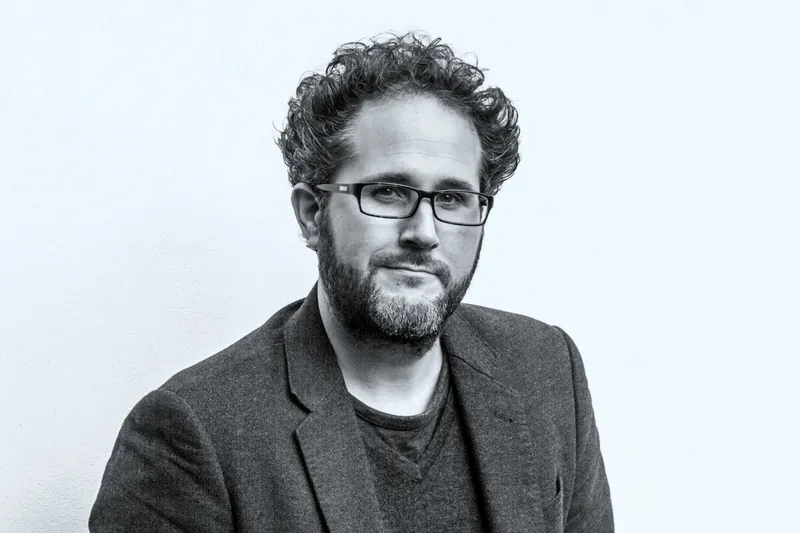
I’m Dylan, a Chartered Clinical Psychologist with 17 years specialising in psychotherapy. I am registered with the Health and Care Professions Council and a senior member of the BPS Register of Psychologists Specialising in Psychotherapy. I work with adults from my consulting rooms in Victoria, London and online.
I see people with depression, anxiety, grief, bereavement, low self-esteem, shame, self-criticism, chronic worry, stress, trauma, and loss. Others come to therapy experiencing difficulties in their relationships that they’ve been unable to shift: anger, jealousy, fears of abandonment, painful repeating patterns, difficulties trusting, or loneliness.
Therapy of Depth, Insight and Relationship
You may have had the experience of understanding something about yourself intellectually, why you act or feel a certain way, and yet still find it difficult to change. Intellectual insight is not the same as emotional insight.
In our work together, we would focus on putting feelings into words, making sense of emotions that feel confusing or threatening, and paying attention to patterns that play out in your life. This is not introspection for its own sake. The past is often very much alive in the present, and understanding how that happens can open up new possibilities for change.
One way of thinking about therapy is as a practicing space. Often what people find themselves saying, or hear themselves saying for the first time, turns out to be a deeply valuable part of the work. The reflective and expressive capacity built in therapy transfers into situations and relationships outside the room.
As a clinical psychologist I am familiar with a range of therapeutic approaches, including cognitive behavioural therapy, schema therapy, compassion-focused therapy, dialectical behaviour therapy, and mindfulness-based cognitive therapy. I draw on these where they are relevant. The approach in which I have the deepest experience, and have found most helpful to people, is psychodynamic psychotherapy.
What is Psychodynamic Psychotherapy?
Getting Started
The working relationship between therapist and patient matters more than any particular technique. For that reason I usually begin with a brief phone conversation, so we can get a sense of whether we would be a good fit to work together.
If we decide to meet, the first few sessions are an opportunity to talk in detail about what’s troubling you. I’ll listen carefully and ask questions where I need more detail. These initial sessions also give you time to ask anything you want to know about the process. Therapy should not be mysterious.
If we agree to work together, we would typically meet weekly for 50-minute sessions.
Arrange an Initial ConversationWhat to expect from your first session
The first session is a consultation. I will want to understand a bit more about what has brought you to therapy and what you are hoping to get help with. It is also a chance for you to see how it feels to speak with me, and to ask any questions you may have about me and how I work.
I will ask about your background, your relationships, and the difficulties you are seeking help with. You do not need to prepare anything beforehand.
We would usually meet at a regular weekly time. Sessions are 50 minutes long. My role is active and engaged, but not directive: I will not tell you what to do or assume I know your life better than you do. I see therapy as a collaborative process in which we try to understand, together, what is troubling you and what may be contributing to it.
Over the first few sessions, we would aim to develop a shared understanding of what you are struggling with and how we might work together.
What are your fees?
£120–175 per session.
Do you accept insurance?
I am recognised as a health provider by the following insurers: AXA Global Healthcare, Bupa, Bupa Global, Cigna, Aviva, and Vitality. You will need an authorisation number from your insurer before the first session.
How often do sessions take place?
Sessions take place once a week, at a regular time. Each session is 50 minutes.
What is the difference between a psychologist and a therapist?
A therapist or counsellor has typically completed a postgraduate training in a specific therapeutic modality. “Therapist” is not a protected title. A clinical psychologist has completed a longer postgraduate training covering psychological assessment and multiple evidence-based therapies, and is registered with the Health and Care Professions Council (HCPC), which is the statutory regulator. “Clinical psychologist” is a protected title. It can only be used by practitioners who have met national standards for training, conduct, and ongoing professional development. I am registered with the HCPC as a clinical psychologist and as a senior member of the British Psychological Society Register of Psychologists Specialising in Psychotherapy. My primary approach is psychodynamic psychotherapy, a way of working that pays close attention to emotional life, to patterns that repeat across relationships and situations, and to the ways we come to know and not know ourselves. I also draw on cognitive behavioural therapy (CBT), dialectical behaviour therapy (DBT), mindfulness-based cognitive therapy (MBCT), schema therapy, and compassion-focused therapy (CFT). What is psychodynamic psychotherapy?
Do you do therapy online?
Yes. I offer sessions in person from consulting rooms in Victoria and online via secure video from my home office.
Do I need a referral?
No. You can contact me directly. A GP referral is not needed for private therapy.
What ethical code do you follow?
I am bound by the standards of conduct, performance, and ethics of the Health and Care Professions Council and the Code of Ethics and Conduct of the British Psychological Society.
How do I find your clinic?
The consulting rooms are at 142 Buckingham Palace Road, Victoria, London SW1W 9TR. The nearest station is Victoria, which is approximately a seven-minute walk.
Do you ask for online reviews?
No. Confidentiality is fundamental to the therapeutic relationship. I will never ask you to leave a public review.
Do you use AI in your practice?
Clinical notes are kept away from any AI-enabled service. I use AI as an editing tool for written correspondence, for grammar, spelling, and clarity, but I write everything myself and never include patient-identifying details. The clinical work itself is entirely between us.
Contact
Sat, 12pm – 4pm