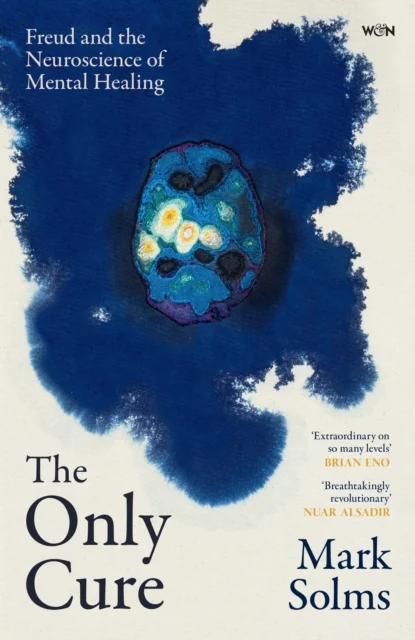
The Only Cure
Solms’s most ambitious work: a defence of psychoanalysis as our most effective treatment for mental suffering, grounded in neuroscience rather than faith. The empirical case for the talking cure.
Find on Bookshop.org ↗Books and papers I recommend to clients, colleagues, and anyone curious about how therapy works and why it matters. This isn't a textbook list — these are the books that have shaped how I think about the work.
Solms’s most ambitious work: a defence of psychoanalysis as our most effective treatment for mental suffering, grounded in neuroscience rather than faith. The empirical case for the talking cure.
Find on Bookshop.org ↗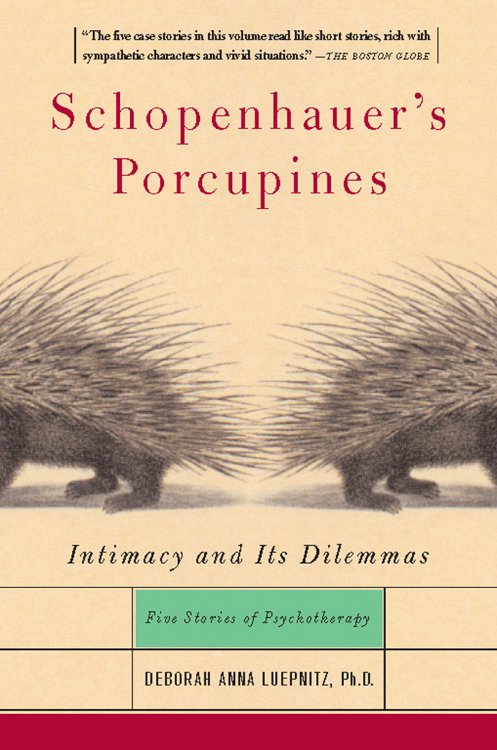
Five case studies that read like short fiction. Luepnitz shows what therapy actually looks like from inside the room: the confusion, the humour, the slow unravelling of patterns that have been running the show for decades.
Find on Bookshop.org ↗
Orbach writes about the body, desire, and the charged space between therapist and patient with uncommon honesty. These case studies don’t smooth over the difficulty. They sit with it.
Find on Bookshop.org ↗
Brief, distilled case vignettes from twenty-five years of practice. The book most likely to be on your shelf already. Grosz writes with the compression of a short story writer. Nothing wasted.
Find on Bookshop.org ↗
On the unlived lives we mourn, the versions of ourselves we never became. Phillips argues that frustration isn’t the enemy of satisfaction. It’s the precondition for it.
Find on Bookshop.org ↗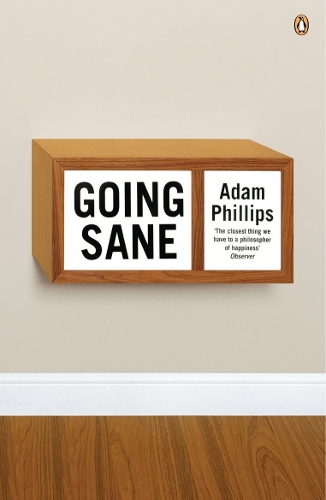
We have a vast literature on madness and almost nothing on sanity. Phillips asks what we might mean by it, and why it’s so much harder to describe than its opposite.
Find on Bookshop.org ↗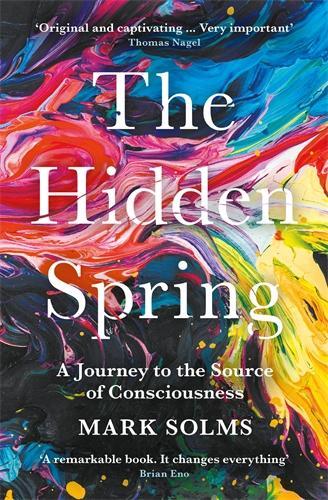
A neuroscientist and psychoanalyst makes the case that consciousness begins in feeling, not thought. Solms bridges Freud and contemporary brain science with unusual clarity.
Find on Bookshop.org ↗
Not a therapy book, but essential background. Juarrero shows why the dominant Western philosophical framework gets causation wrong, and what a context-dependent alternative looks like. The theoretical ground beneath relational work.
Find on Bookshop.org ↗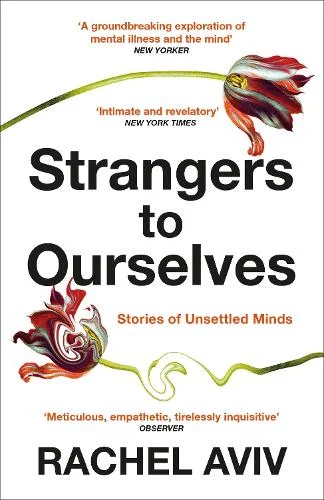
Aviv examines how psychiatric diagnoses shape, and sometimes distort, people’s understanding of their own experience. Rigorous, compassionate reporting on the gap between what we feel and what we’re told it means.
Find on Bookshop.org ↗
A novelist and intellectual investigates her own mysterious neurological symptom. Hustvedt moves between neuroscience, psychoanalysis, and philosophy, refusing to let any single discipline claim the last word.
Find on Bookshop.org ↗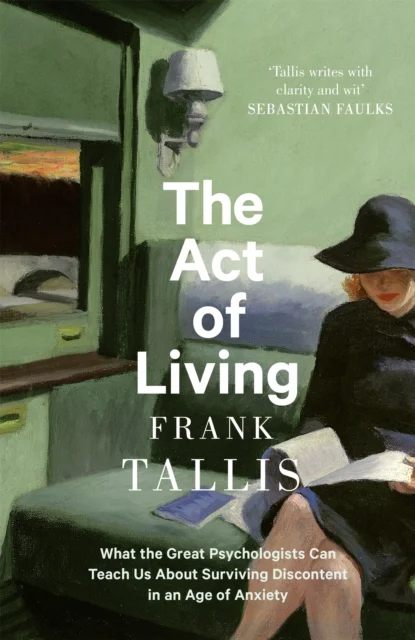
A clinical psychologist reflects on the therapeutic encounter through the lens of love, death, meaning, and change. Tallis bridges Freud, existentialism, and contemporary practice without being showy about any of it.
Find on Bookshop.org ↗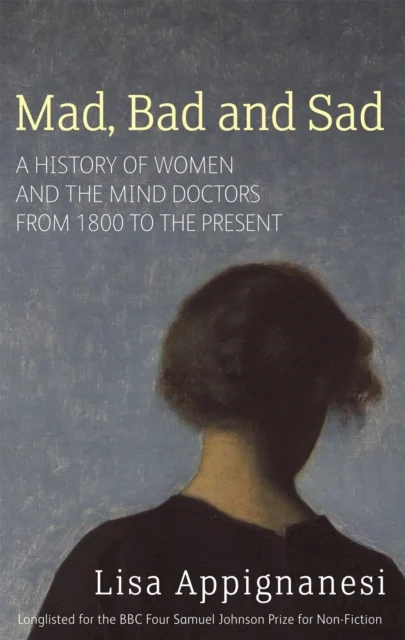
A sweeping history of women and the mind doctors, from the hysteria wards to the present day. Appignanesi traces how our ideas about mental illness have always been entangled with ideas about gender.
Find on Bookshop.org ↗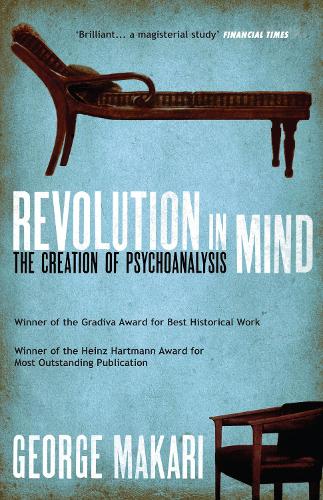
The intellectual history of psychoanalysis as it actually happened: the rivalries, the schisms, the ideas that survived and the ones that didn’t. Makari writes it as a history of ideas, not hagiography.
Find on Bookshop.org ↗
A psychoanalytic account of love’s six capacities — erotic involvement, merging, idealization, integration, refinding, and self-transcendence. Clinically grounded, practically useful, genuinely wise about relationships.
Find on AbeBooks ↗
Grosz returns to the consulting room, this time focused on how love breaks down and how it gets rebuilt. Less compressed than The Examined Life. Longer, more sustained attention to each case. The writing is just as precise.
Find on Bookshop.org ↗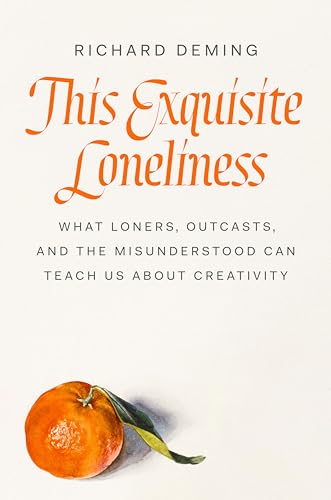
A philosophical and personal exploration of what it means to be alone. Not loneliness as pathology, but as a fundamental condition of being human. Dumm draws on Thoreau, Arendt, and his own grief to argue that solitude and connection aren’t opposites.
Find on AbeBooks ↗The landmark meta-analysis that changed the conversation. Shedler’s review of the evidence shows psychodynamic therapy produces lasting change, and that its effects actually grow after treatment ends.
Read the paper (PDF) ↗Shedler’s follow-up, addressing the critics head-on. A clear-eyed account of what the research actually shows when you stop cherry-picking studies to confirm what you already believe.
Read the paper (PDF) ↗Book links go to Bookshop.org and AbeBooks, which support independent bookshops.